
Captain Swing’s triumph
The biggest rural revolt of the 19th century led to major social and political reform

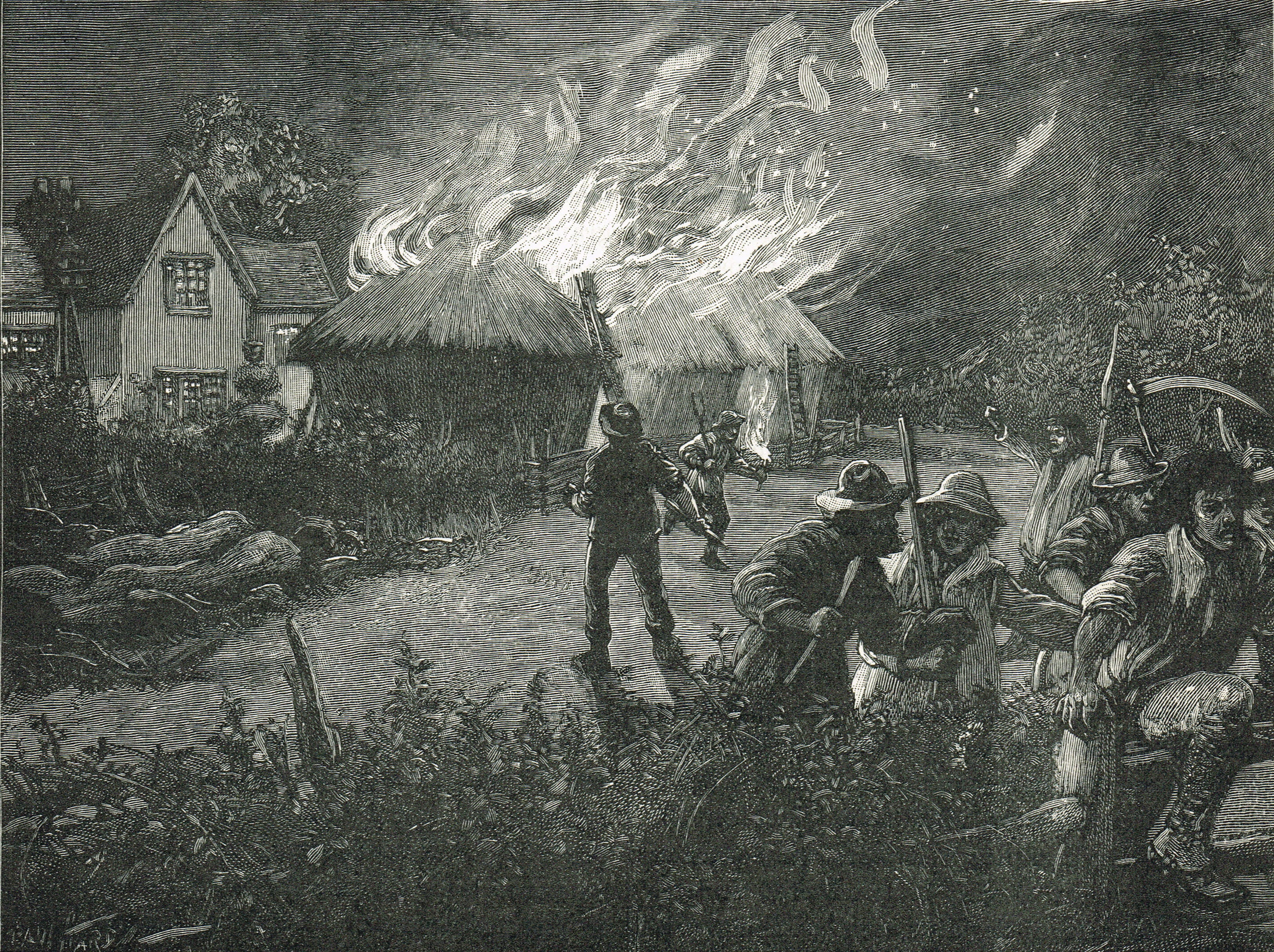
It is often claimed that the Captain Swing rural rebellion, which exploded across England between 1830 and 1832, failed to win long-term improvements for the agrarian working class.
However, despite enormous state repression, the rebellion did expose the dire conditions of agricultural workers and would shape industrial relations, agricultural policies and social and political reforms in Britain for many decades to come.
The sudden outbreak of arson attacks on crops and farm property, accompanied with threatening letters signed by the fictitious ‘Captain Swing’, shook the Anglican church, the landowners and the British establishment to the core.
The origins of the uprising lay in many factors including the long-running issue of enclosures which deprived workers of access to land combined with over a quarter of a million men returning from the Napoleonic wars following the battle of Waterloo and the ensuing economic downturn which led to mass unemployment.
Other factors included the Tithe taxes imposed on landowners by the church which demanded 10 per cent of produce and the poor laws which effectively subsidised workers’ starvation wages.
However, the single most important trigger was the introduction of the threshing machines which deprived labourers of work particularly in the lean winter months. In fact, the name ‘Swing’ may have been a reference to the flail used in hand threshing.
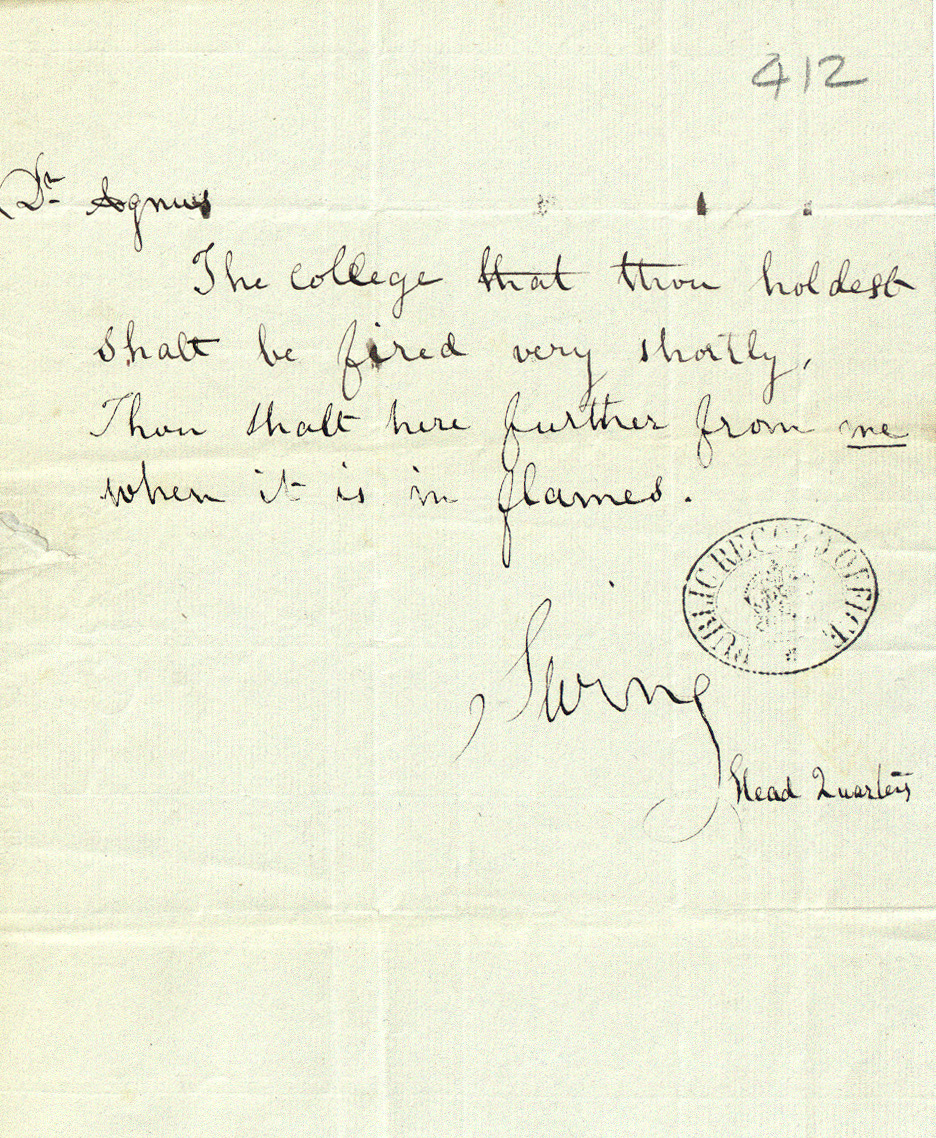
A typical Swing letter
The inspiration to send threatening letters to farmers, magistrates, and parsons may have been influenced by an earlier agrarian uprising in the poverty-stricken south-west of Ireland from 1821 to 1824 when letters were signed ‘Captain Rock’.
The Swing revolt began in earnest with the destruction of threshing machines in the Elham Valley in East Kent in the summer of 1830. By early December the protests had spread throughout rural England.
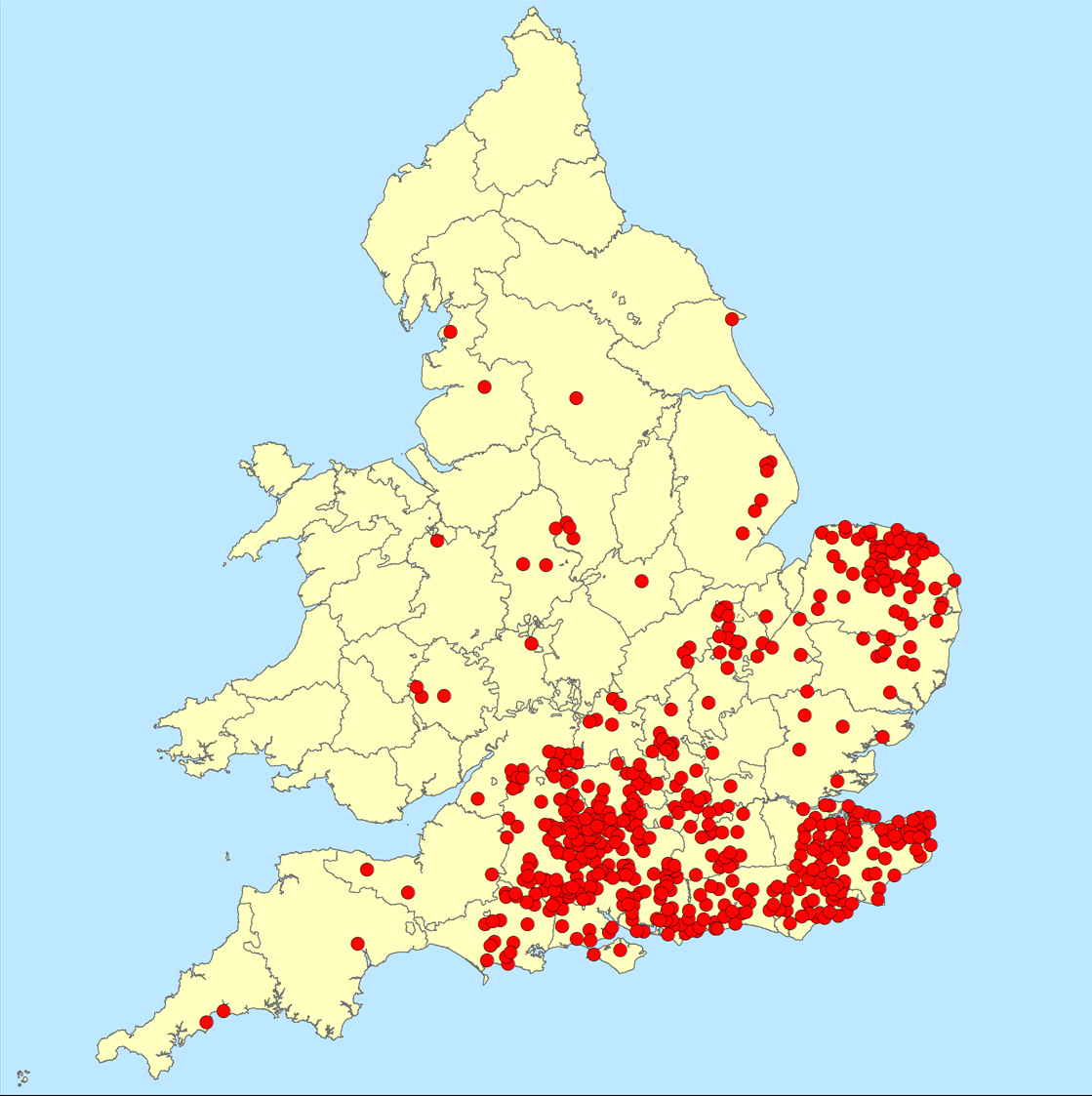
This map is part of the research project ‘The Social Dynamics of Protest: Evidence from the Captain Swing Riots 1830-1831’ and shows events in 1830 between 23 October and 30 November alone.
In their seminal study of Captain Swing, historians Eric Hobsbawn and George Rude explained that the origins of the confrontation lay in the fact that from 1750 onwards a ‘traditional, hierarchical and paternalist’ rural society was being transformed under an early agricultural boom. Whereas the old ways had been ‘resistant to the full logic of the market’ the new order effectively proletarianised the workforce and deprived them of even modest customary rights through loss of land and status.
This sharpening of class interests did not go unnoticed by emerging capitalist elites and the government of William Pitt the Younger moved to crush descent by introducing the Six Acts which effectively banned meetings that even discussed radical reform.
It was clear that the influence of the American and French revolutions of 1776 and 1789 and the rise of militant Jacobin republican activity had struck fear into the hearts of the ruling class.
As a result of these growing political, economic and social tensions, the government also introduced the Combinations Act of 1825, designed to reign in working-class power, but it had the effect of simply driving trade union activity underground.
Predictably, the Acts did nothing to prevent the rising tide of anger against low pay, poor working conditions and the high price of food worsened by the Corn Laws, which kept the price of bread artificially high, and workers found other clandestine ways to assert their interests.
Workers would meet at night and swore allegiance to each other in a very disciplined manner. The act of marching towards a farmer's homestead served not only to maintain discipline and loyalty but warn the wider community that they were organised and determined.
The ruling elite was swift to respond with harsh state repression. Around 2,000 protesters across the country were arrested between 1830–1831, 644 were imprisoned and 250 were sentenced to death, though just 19 were eventually hanged, and 481 were transported to Australia.
The legal process was largely ignored as in the case of the semi-literate labourer James Ewen from Rayleigh in Essex. He was convicted on hearsay evidence after being accused of not trying hard enough to put out a barn fire.
Judge Taunton directed a jury made up of aggrieved farmers and landowners to act in the harshest possible terms and ‘not show any mercy in this world’. Ewen, a family man with two young daughters, was hurriedly hanged days later, on Christmas Eve 1830.
This vindictive response may have quelled the rebellion for the time being, but the simmering anger remained. Radical and working-class movements at the time identified parliamentary reform as the solution as only around 11 per cent of adult males had the vote, often in what were known as rotten boroughs with tiny electorates, with very few of them in the industrial north.
When the reactionary government of the day blocked the great Reform Act of 1832 it led to widespread rioting and fear of political violence and revolution grew among the political elite. Following huge political pressure from below and fear of further disturbances parliament finally passed the Act and extended the franchise, opening the way for further electoral reforms throughout the 19th century.
Echoes of the Swing revolt were also awakened by the arrest of six agricultural labourers in 1834 from the village of Tolpuddle in Dorset who were tried for swearing a secret oath of allegiance to each other, they became known as the Tolpuddle Martyrs.
Such oaths were technically legal under the Combinations Act, but the British establishment invoked another obscure 1797 law against ‘unlawful oaths’ to convict and sentence the men to penal transportation in Australia.
The Tolpuddle Martyrs became a popular cause and galvanised the early trade union movement. Following mass protests, the martyrs were pardoned and returned to England between 1837 and 1839.
Throughout this period of harsh state oppression, trade unionists were learning important lessons about how to confront the employers and the ruling class and to slowly advance their cause of democracy and workers’ rights.
The Swing uprising also shifted attitudes toward poor laws which had allowed employers to use parish payments to subsidise wages and the Poor Law Amendment Act of 1834 signalled a shift toward institutionalised welfare systems, setting a precedent for later social welfare reforms.
Swing also influenced later agricultural reforms, such as the repeal of the Corn Laws in 1846, which helped lower food prices and improve economic conditions for the working class.
Later in the 19th century, organisations such as the National Agricultural Labourers’ Union (NALU) emerged, advocating higher wages and improved working conditions. While these changes did not occur immediately, the Swing revolt was a crucial precursor to later trade union movements which fought for and won significant political and social reform.
The author wrote and performed this song Captain Swing which was released on Topic Records in 2014 on the album Voice and Vision